How Do Loading Docks Affect Delivery Truck Rental Needs for Businesses?

The type of loading dock at a facility plays a major role in determining the right vehicle for your business. Loading areas dictate everything from vehicle dimensions to the specific equipment required for a smooth delivery. Here is a quick breakdown of how loading docks affect delivery truck rental needs for businesses:
Our team at Elite Truck Rental is happy to provide more information on how loading docks may affect your truck rental needs. Reach out today to see how we can help you find the best options to fit your needs.
Standard loading bays sit about four feet off the ground. If a commercial building lacks an elevated receiving area, ground-level loading becomes necessary. A power-lift gate or a pull-out ramp bridges the gap between the vehicle bed and the ground. You should consider the following equipment variables based on your destination:
Choosing the right equipment and vehicle for your transportation needs can significantly simplify your tasks. By assessing your destination’s loading facilities and pairing them with suitable features like liftgates, ramps, or pallet jacks, you can ensure a smooth, efficient process that saves both time and effort.
Commercial buildings in dense cities usually have narrow alleys and tight parking lots. The physical space directly dictates the maximum size of the rental vehicle you can safely operate. Keep these spatial limitations in mind when selecting a vehicle:
It’s important to choose the right vehicle, so you have everything you need for a seamless delivery. Thoughtful planning helps guarantee both safety and convenience throughout your rental period.
Many businesses need to reserve a loading bay in advance at commercial properties. If you miss a specific window, you might wait for hours until another space is available. To plan around these tight dock schedules, you may want to consider that:
By understanding the details of dock schedules and utilizing flexible rental options, you can streamline your transportation experience and avoid unnecessary delays. Planning ahead and choosing reliable rental services with adaptable terms ensures that your moving or delivery needs are met efficiently and on time.
Warehouse environments differ completely from small retail storefronts. Your vehicle choice must match the specific receiving area to prevent unloading delays. Here are a few guidelines you can use to determine what type of vehicle you need:
When you consider factors like facility size, cargo volume, and accessibility, you can prevent delays and keep your business on track. Careful planning makes your rental experience efficient and hassle-free.
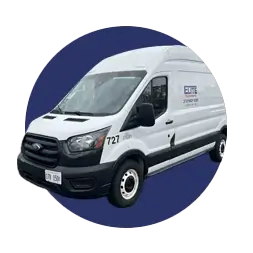
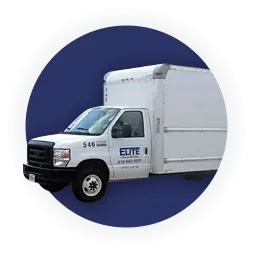
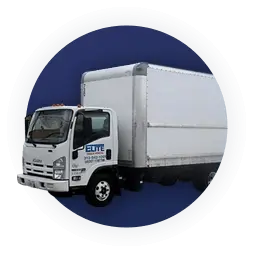
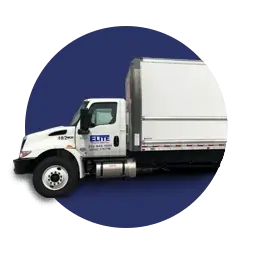
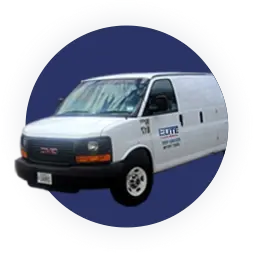
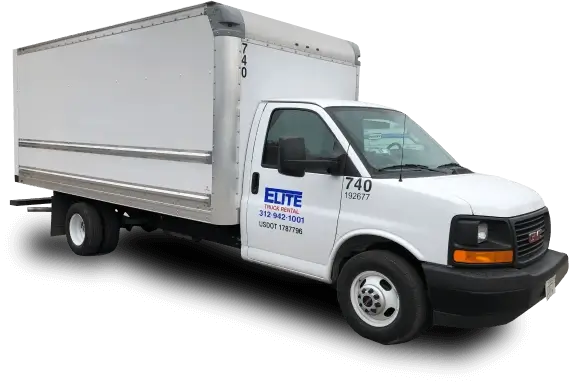
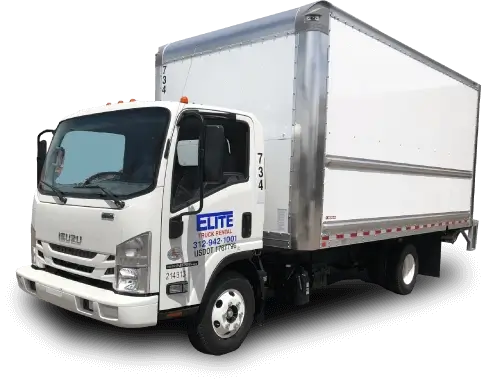
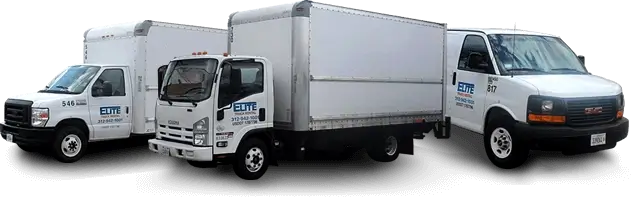
Picking the right truck for your loading area helps you stay on schedule. Elite Truck Rental has a varied fleet with more than 150 vehicles available in the Chicago area, from small cargo vans to 24-foot trucks. To assist with your daily tasks, we supply moving equipment, boxes, and hydraulic pallet jacks. Contact our team or reserve your clean, dependable vehicle online to find one that fits your delivery needs.

Turn to Elite Truck Rental for personal, dedicated service that will make your moving day easier.

The information on this website is for informational purposes only; it is deemed accurate but not guaranteed. It does not constitute
professional advice. Testimonials are not a guarantee, warranty or prediction of what your experience with us will be. By providing contact information, users acknowledge and give explicit consent to be contacted via the methods of communication provided, including SMS. Message and data rates may apply. Message frequency may vary. Reply STOP to opt out.
NUVEW | Copyright 2026. All Rights Reserved | Privacy Policy | Accessibility Notice

Sunday, July 12th, 2026, 1:17:00 pm